


Timeless Interior Design: Why Some Homes Never Feel Dated
Updated: Jul 28
Homeowners often approach a renovation with the same understandable concern: Will I still love this in ten years?

The question tends to surface around the most permanent decisions. Cabinetry. Flooring. Stone. Millwork. Lighting. The pieces that require a meaningful investment and cannot be changed without significant disruption.
It is easy to assume the safest answer is to avoid trends altogether. Yet homes designed with that mindset can become so cautious that they never feel especially personal or current. Timeless interior design is not about removing everything distinctive. It comes from understanding which elements deserve longevity, which can evolve more freely, and how every decision works with the architecture and the people living there.
After more than a decade of full-service interior design, we have found that the homes with the greatest staying power are not frozen in time. They are grounded in quality, proportion, authentic materials, and personal meaning.
Why Some Homes Never Feel Dated
A home rarely feels dated because of one cabinet door, one finish, or one pattern. It feels dated when too many decisions point unmistakably to the same moment.
A single material may have lasting appeal, yet an entire home composed of the era’s most recognizable combination can quickly reveal when it was designed. One metal finish appears on every faucet, light fixture, cabinet pull, mirror, and piece of hardware. A heavily marketed surface is repeated across kitchens, bathrooms, and built-ins. Individually, none of those choices may be problematic. Together, they create a timestamp.
Timeless home design is more layered. Materials, architecture, furnishings, and finishes relate to one another without feeling overly matched. The home may contain contemporary ideas, but no single trend is asked to carry the entire design.
This is one reason we think about the lifespan of each decision before we think about whether it is currently popular. A pillow and a kitchen floor do not need to remain relevant for the same number of years. A decorative lamp can be changed when a client’s taste evolves. Custom cabinetry, stone, and millwork need a much longer point of view.
Timeless Interior Design Still Has Room for Trends
Trends are not inherently the enemy of a lasting home. They reflect changing lifestyles, new creative influences, evolving technology, and the natural desire for our surroundings to feel connected to the present.
The issue is not whether a home includes a trend. It is where that trend is placed and how thoroughly the design depends upon it.
We often reserve greater experimentation for the layers that can evolve without undoing the foundation of the home. Art, pillows, accessories, paint, textiles, and styling can introduce a new color, silhouette, or mood. Decorative lighting and wallpaper may also offer opportunities for something more expressive, depending on the setting and the homeowner’s appetite for future change.
There are also clients who knowingly want a trend-forward home, including its architectural and structural details. That is a valid design direction when it reflects their priorities. What we have observed, however, is that some return five or seven years later ready to update those same elements and invest in a more enduring foundation the next time around.
That experience has reinforced something we already understood: timeless design is not about playing it safe. It is about being clear-eyed about what will be difficult and expensive to change.
The Most Permanent Decisions Deserve the Longest View
The shell of a home carries enormous visual weight. Flooring, cabinetry, fireplace treatments, stone, millwork, and architectural lighting establish the framework for everything that follows. When those elements are cohesive, furnishings and decorative layers have far more freedom.
We consider the architecture first because it creates the rhythm of the home. Crown moulding, baseboards, casings, wall mouldings, cabinetry, and fireplace details should not feel as though they were chosen independently. Their scale, profile, and level of detail need to speak the same language.
This does not mean every room must be identical. It means the house benefits from an underlying logic.
A contemporary home may call for restraint and crisp transitions. A more traditional residence may support deeper mouldings, layered profiles, or greater ornamentation. A renovation in Scottsdale may require a different response from a historic-inspired home or a mountain second home. The strongest decision is the one that respects the architecture while supporting how the homeowner wants the property to feel today.
Cabinetry offers a useful example. Shaker cabinets are often described as timeless, though they have also experienced periods of enormous popularity. The door style alone does not determine whether the room will age well. Hardware, lighting, stone, edge profiles, color, proportions, and surrounding architecture influence how specific the cabinetry feels to a particular period.
Natural Materials Carry Time Differently
Natural materials have always played an important role in classic interior design because they do not need to remain visually perfect to remain beautiful.
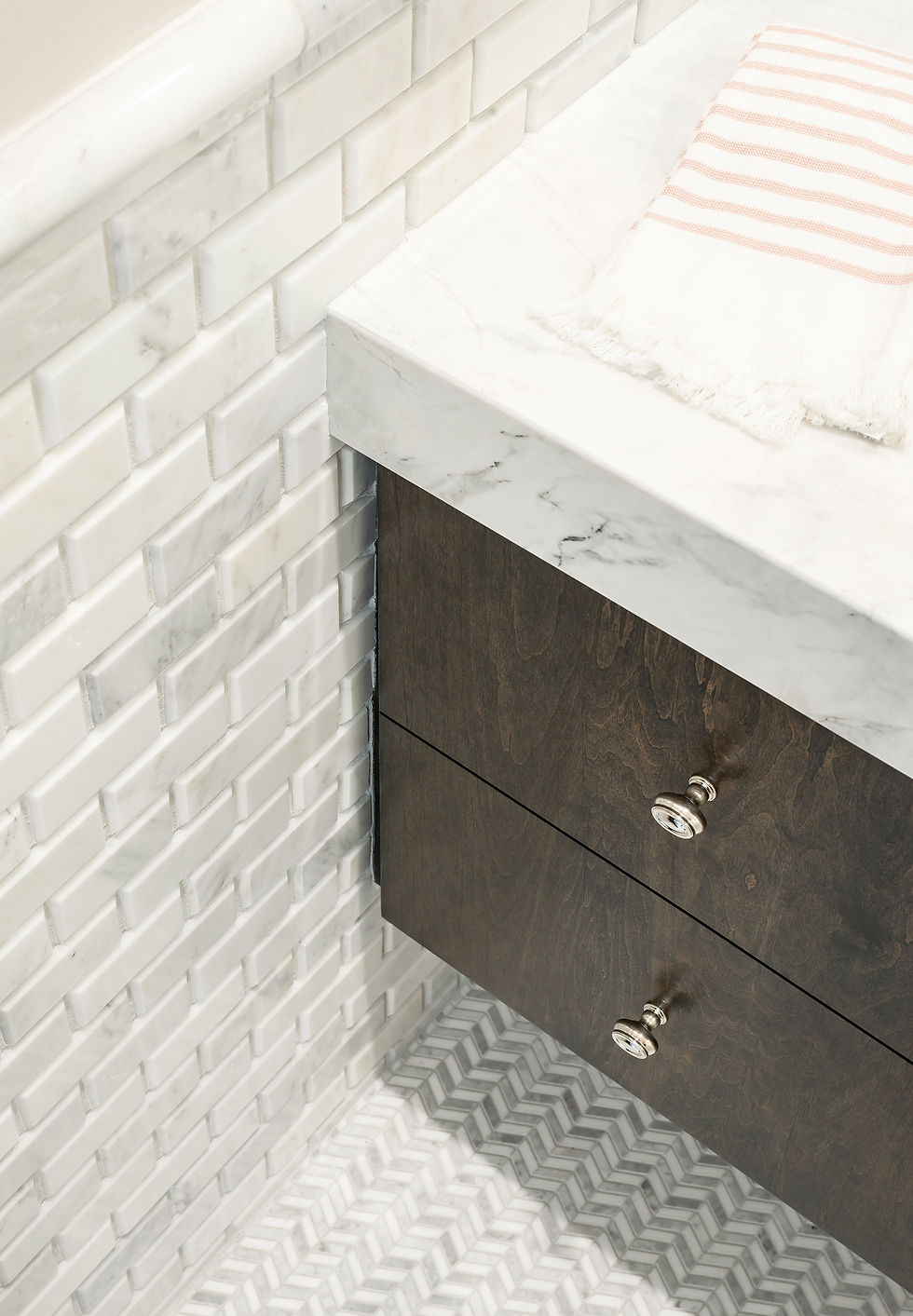
Marble has been used for centuries, and its appeal does not depend on appearing untouched. It etches, softens, and develops patina. Leather deepens in color and gains character with use. Real wood changes subtly as it is exposed to light and daily life. Linen relaxes. Wool wears with a natural softness. These materials age visibly, yet their changes often become part of what makes them compelling.
There is an honesty to that process.
Many manufactured substitutes are designed to imitate a natural material while resisting its perceived flaws. In the right application, those products can serve a practical purpose. They may offer durability, maintenance benefits, or budget advantages that matter to the homeowner. Still, imitation materials often carry the visual language of the technology and market preferences present when they were created.
Natural stone does not need to imitate stone. Wood does not need to imitate wood.
When we compare real wood or quality engineered wood with luxury vinyl plank or wood-look porcelain, the difference is not limited to pattern. It can be felt in the depth, variation, warmth, transitions, and the way the surface responds to the architecture around it. The same is true when comparing marble, limestone, or granite with a manufactured surface designed to reproduce their movement.
This does not mean natural materials belong in every application. Our recommendations account for the client’s lifestyle, tolerance for patina, maintenance expectations, and how the home will be used. A busy household, frequently used second home, or move-in-ready residence may require a different balance from a home whose owner embraces the changes that come with age.
Timeless materials succeed when their beauty, performance, and imperfections align with the homeowner’s real life.
Mixing Metals Prevents a Home From Belonging to One Era
Few choices timestamp a home faster than repeating one highly recognizable metal finish across every visible surface.
We would not specify the same metal throughout an entire house, and we rarely rely on only one within a room. A thoughtful mix creates depth and keeps the design from feeling as though every component was purchased from the same collection at the same moment.
The mixture still needs structure. Random variety does not create sophistication. We may establish one dominant finish, introduce another that relates to the architecture or furnishings, and use a third sparingly where it adds dimension. The temperature, sheen, and visual weight of those finishes matter as much as their names.
Polished nickel, aged brass, blackened steel, bronze, chrome, and stainless steel each reflect light differently. They can help connect cabinetry to decorative lighting, plumbing to hardware, or a contemporary element to something more traditional.
Mixed metals also allow a home to evolve. A new lamp, table, or work of art can enter the room without appearing incompatible with a rigid finish formula.
The space feels collected over time, even when it was designed as a complete whole.
Personal Style Can Outlast a Trend Cycle
A design choice does not become disposable simply because it is currently popular.

A client may love a specific stone, furniture silhouette, color, or shape that happens to be trending. If that preference is deeply personal and likely to remain meaningful, it may have far greater longevity than a supposedly safe selection chosen without enthusiasm.
This is where personalized interior design matters. We are not trying to remove the homeowner from the equation in pursuit of a generic version of timelessness. A home that reflects no particular person can feel detached even when every material is technically classic.
We pay attention to the distinction between a passing attraction and a lasting preference. Clients often reveal the difference through what they have loved repeatedly, what they collect, how they dress, where they travel, and which parts of previous homes they still remember fondly.
Someone who has always loved dramatic stone may continue loving it long after the broader market moves toward something softer. A client drawn to sculptural furniture may not tire of a distinctive silhouette simply because it appears frequently in current interiors. Personal attachment can give a design decision staying power.
The goal is not to predict whether the internet will still approve of a selection in ten years. It is to understand whether the selection belongs to the home and the person living there.
Investment Furnishings Give the Home a Lasting Center
Certain pieces carry more responsibility than others. A custom sofa, hardwood dining table, well-made desk, or enduring case piece influences the function and composition of a room for years. These investment pieces for your home deserve careful attention to quality, proportion, comfort, and how they relate to the architecture.
Decorative layers can shift more frequently. Pillows, smaller tables, occasional chairs, artwork, and accessories provide opportunities to experiment with color, texture, and current influences. When the foundational furnishings are strong, those changes refresh the room without destabilizing it.
Quality craftsmanship also gives furniture the ability to evolve. A well-made sofa can be reupholstered. A solid wood table can be refinished. An heirloom piece can move to another room or another home. Good construction creates options, and options extend the useful life of an investment.
A Timeless Home Still Feels Like the Present
There is a difference between a home that feels timeless and one that feels untouched by time. The first remains relevant. The second can feel preserved.
Timeless homes are allowed to change. Artwork moves. Fabrics are updated. Rooms take on new functions. Technology is integrated. A home designed for young children may later need to support teenagers, visiting adult children, or aging parents. Busy professionals may need more substantial home offices. Business owners may entertain differently as their lives evolve. A second home may gradually become a primary residence.
Function is part of longevity.
A design cannot truly endure if it stops supporting the people living there. This is why we think about circulation, comfort, storage, light, maintenance, and adaptability alongside materials and style. A home that remains beautiful but becomes frustrating to use has not aged successfully.
Our goal when creating timeless interior design is not to make a home resistant to change. It is to give the home a strong enough foundation to accommodate change gracefully.
The Best Timeless Homes Feel Personal, Comfortable, and Complete
The homes that remain desirable over time rarely announce one formula. Their architecture feels cohesive. Their materials carry authenticity. Their patterns and finishes are layered without becoming chaotic. Their furnishings fit both the rooms and the lives taking place within them.
Most importantly, they feel personal.
We often hear that our completed homes feel comfortable, warm, and inviting. That experience comes partly from timeless design principles, partly from personalization, and partly from the relationships among scale, light, materials, furnishings, and function. No single finish can create that sense of ease on its own.
One of the most meaningful compliments comes when repeat clients decide to sell a home we designed and furnished, and the buyer wants it exactly as it is. The original homeowner may be ready for a new chapter, yet the design remains relevant, functional, and highly desired. It becomes part of the property’s appeal instead of something the next owner immediately plans to remove.
That is the staying power we value.
Timeless interior design is not a promise that nothing will ever change. It is a way of making the most permanent decisions with discernment, allowing trends to enter where they can evolve, and creating a home that remains connected to the people who live there.
A timeless home does not belong to no era. It simply does not belong to only one.
Executive Summary
Timeless interior design is not about avoiding trends. It comes from understanding which design decisions should last for decades and which can evolve as your style and lifestyle change.
The most permanent elements of a home deserve the greatest consideration. Architecture, millwork, cabinetry, natural materials, and investment furnishings create the foundation that allows a home to remain relevant over time.
Authentic materials and quality craftsmanship contribute to longevity. Natural stone, real wood, and well-made furnishings develop character with age, while thoughtfully layered details prevent a home from feeling tied to a single design era.
The most timeless homes are also the most personal. A home endures when it reflects the people who live there, balances lasting investments with evolving accents, and supports how life changes over time.
What is timeless interior design?
Timeless interior design is the practice of creating a home that remains beautiful and functional for years to come. It isn't about avoiding trends entirely, but about making long-term decisions for the home's most permanent elements while allowing more flexible layers, such as textiles, artwork, and accessories, to evolve over time.
How can I make my home feel timeless without giving up my personal style?
A timeless home should never feel generic. Personal style is what gives a home lasting meaning. The key is investing in enduring architectural details, quality materials, and well-proportioned furnishings while expressing personality through elements that can be updated more easily as your tastes evolve.
Are natural materials more timeless than manufactured alternatives?
Natural materials such as wood and stone have remained relevant for generations because they develop character and patina over time. Manufactured alternatives can be appropriate in certain applications, but authentic materials often offer greater visual depth, longevity, and a stronger connection to the architecture of the home.
Which design decisions should be timeless, and which can follow trends?
The most permanent and expensive elements of a home, such as cabinetry, flooring, millwork, architectural lighting, and investment furnishings, benefit from a long-term perspective. Decorative layers, including paint, textiles, artwork, accessories, and some lighting, offer opportunities to embrace trends and refresh a home's personality over time.
Why do some homes never seem to feel dated?
Homes with lasting appeal are built on thoughtful design decisions instead of short-lived trends. Cohesive architecture, authentic materials, quality craftsmanship, balanced proportions, and furnishings selected for both function and longevity create homes that continue to feel relevant through changing styles and seasons.
LMOH Home is a full-service interior design firm specializing in full-home interior design, luxury furnishings, renovations, custom homes, and concierge project management. Based in Phoenix, Arizona, we partner with homeowners throughout Scottsdale, Phoenix, Paradise Valley, Gilbert, Mesa, Cave Creek, Sedona, and nationwide to create homes that reflect the people who live there.
The most meaningful investments are the ones that improve how your home looks, functions, and feels every day. Whether you are planning a home remodel, furnishing a new residence, preparing for a relocation, or creating a move-in-ready second home, LMOH Home can guide the decisions that shape the complete experience. Submit a Project Inquiry or call to begin the conversation.


